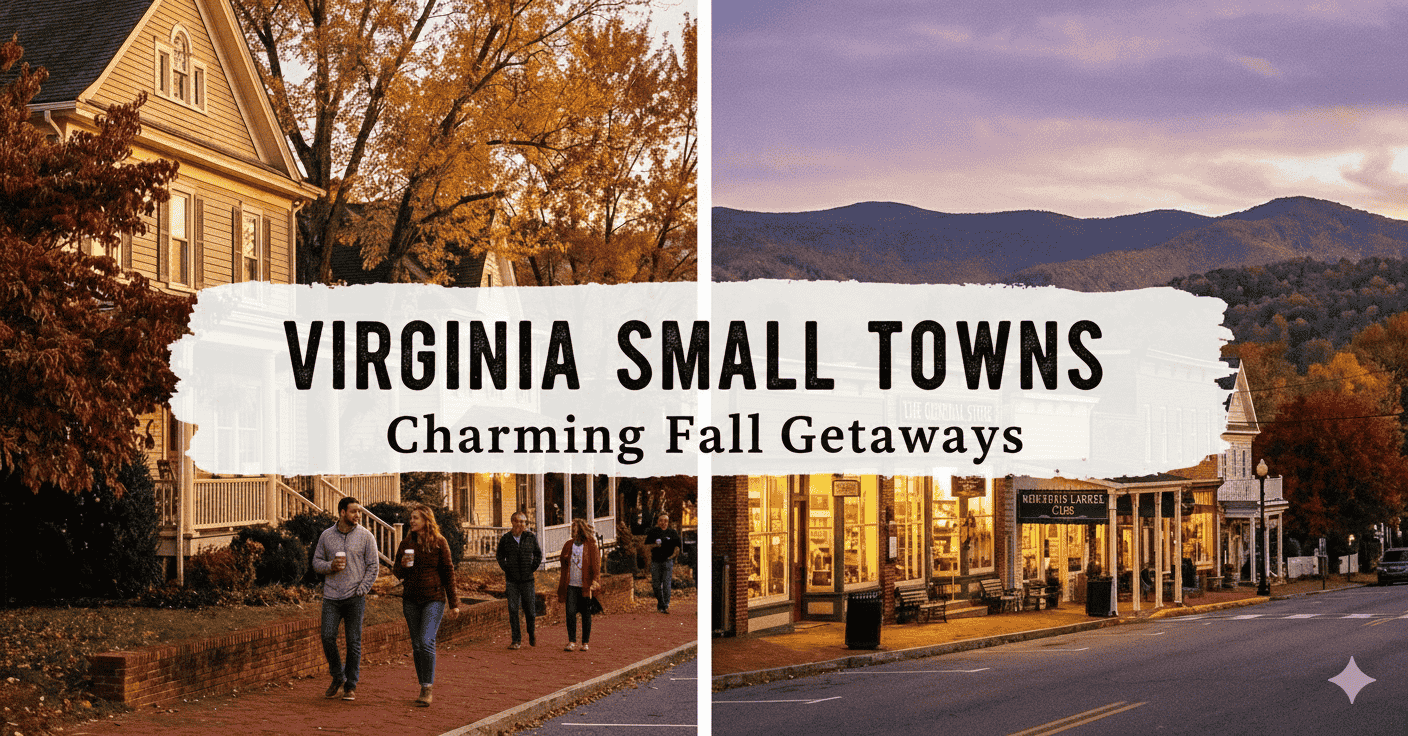
There is something about Virginia small towns that stays with you long after you’ve packed your bags and driven back home. Maybe it’s the old brick sidewalks. Maybe it’s the hush of a river in the early morning or the soft clang of a shop door as a local waves you in. Whatever that magic is, it’s real felt deeply in communities that still carry the quiet charm of a slower era.
So today, we’re taking a journey. Not a quick pass through the major cities, but a long, thoughtful wander through the Virginia small towns that locals treasure and travelers fall in love with. Whether you’re mapping out a cozy weekend escape or planning a deeper exploration through the state, these places offer a refreshing pause from everything loud and rushed.
This is a long read almost a conversation about landscapes, people, stories, and why Virginia small towns have become some of the most beloved pockets of America.
The Quiet Power of a Place That Still Feels Like Home
You don’t stumble into Virginia small towns by accident. Most of them require turning off the interstate, rolling down a country road, and trusting that the GPS isn’t leading you astray. But once you arrive, there’s a sense of landing somewhere that matters—somewhere that keeps its own rhythm.
Walk into a diner in Bedford or Clifton Forge, and you’ll feel it. Someone asks where you’re visiting from. Someone else offers a recommendation without hesitation. There is an ease in the air a reminder that hospitality here isn’t a strategy; it’s simply the way people live.
It’s one of the reasons travelers keep circling back to Virginia small towns as vacation destinations. In a world moving at full speed, places that encourage you to breathe are becoming rare.
A Tour Through Some of Virginia’s Most Memorable Towns
Below is a closer look at a handful of towns that illustrate why the phrase virginia small towns has become synonymous with beauty, character, and heartfelt welcome.
1. Abingdon: Art, Trails, and Timeless Theater
Abingdon is where creativity and history shake hands. This town somehow manages to offer both an award-winning craft scene and one of the oldest theaters in the country. The Barter Theatre has been around since 1933, and people still come from all over the region just to watch a show.
Beyond the arts, the Virginia Creeper Trail pulls cyclists, walkers, and adventurers from across the state. It’s easy to spend an entire day moving slowly along the path, taking in rolling views and quiet stretches of forest.
Abingdon deserves its place among the best virginia small towns for one simple reason: it knows how to balance energy with calm.
2. Lexington: Where History Lives Softly
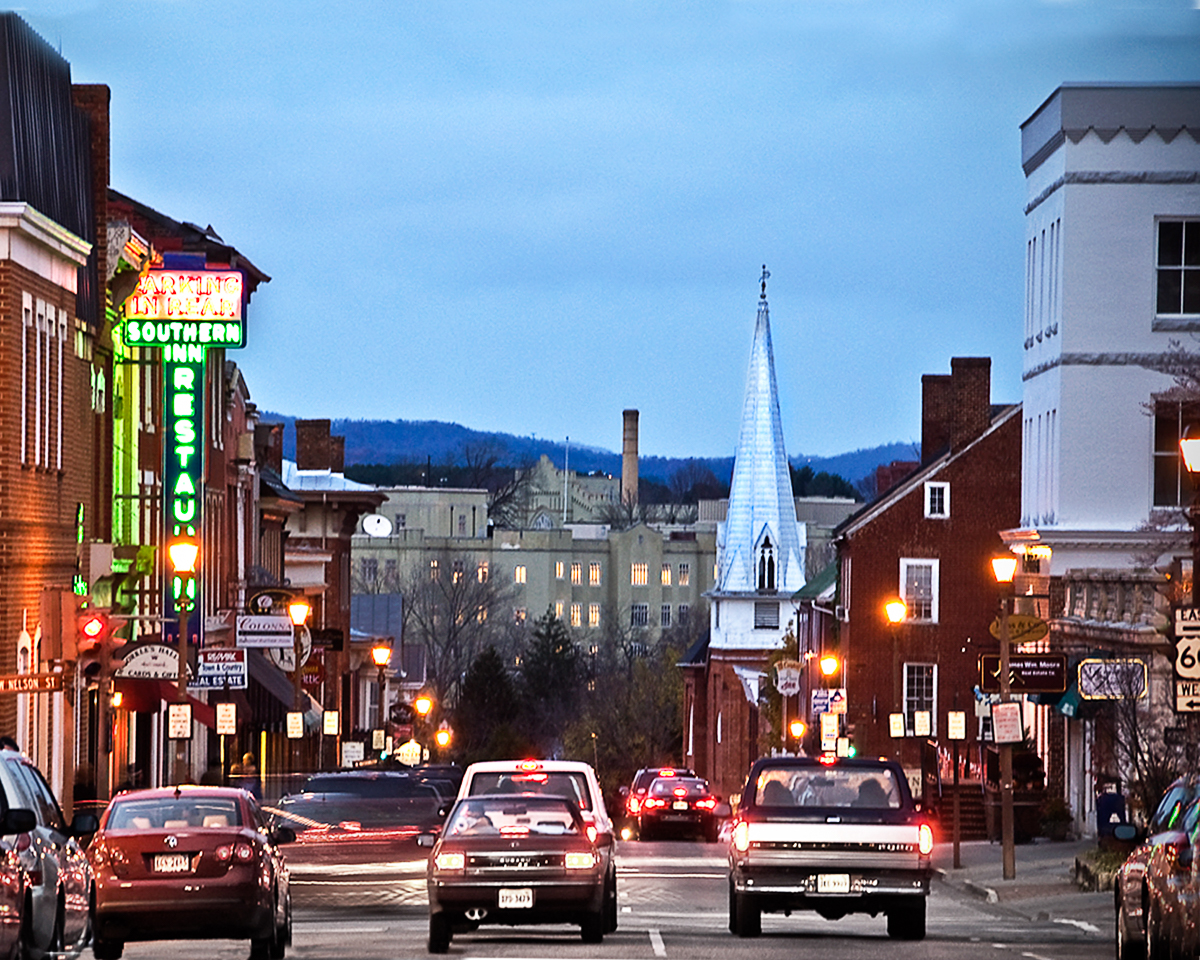
3.Cape Charles: A Shoreline Surprise
Staunton has a way of capturing your attention almost immediately. Maybe it’s the way the hills rise and cradle the downtown, giving the town a natural sense of drama. Or maybe it’s how creativity seems to spill out from every corner murals, theaters, bookstores, and music drifting through brick-lined streets. Whatever it is, Staunton doesn’t ease into your memory. It arrives fully formed.
This is a town where the arts aren’t treated as an accessory—they’re part of everyday life. The presence of Mary Baldwin University brings a thoughtful, academic calm, shaping the town’s rhythm with lectures, performances, and student energy that feels quietly enriching rather than overwhelming. Just a few blocks away, the American Shakespeare Center anchors Staunton’s national reputation, drawing visitors from far beyond Virginia to experience theater performed with rare authenticity and care.
Yet for all its cultural weight, Staunton never feels pretentious. Downtown is welcoming and lived-in. Local cafés encourage long conversations. Independent shops feel curated but personal. Art galleries sit comfortably beside everyday businesses, reinforcing the sense that creativity here belongs to everyone, not just to performers or patrons.
What truly sets Staunton apart among Virginia small towns is balance. It manages to celebrate big ideas history, literature, performance without losing its grounding. Neighbors still know each other. Community events feel genuine. There’s pride here, but it’s the quiet kind, rooted in shared experience rather than spectacle.
Staunton isn’t just a place you visit; it’s a place you engage with. It invites curiosity, rewards attention, and leaves you feeling that culture doesn’t have to be loud to be powerful. Among Virginia small towns, Staunton stands confidently as a cultural anchor deeply creative, warmly human, and impossible to forget
5.Farmville: A Blend of Youth and Tradition
Plenty of states can point to charming towns. Quaint main streets, historic buildings, local diners you’ll find those almost anywhere. But Virginia small towns carry something deeper, something layered. They sit at a rare crossroads of American history, Appalachian warmth, coastal beauty, and a Southern tradition of storytelling that values memory as much as progress.
Geography plays a quiet but powerful role. In Virginia, landscapes shift quickly. Within a single day, you can move from misty mountain ridges to rolling farmland, then end up near coastal flats where the air smells faintly of salt. That natural variety shapes the towns themselves. Mountain communities feel grounded and reflective. Coastal towns move at an easier, tide-shaped pace. Valley towns strike a balance between energy and calm. Each place absorbs its surroundings and reflects them back in human form.
But geography is only half the story.
The real heartbeat of Virginia small towns is the people who live there. These are communities that know who they are. Traditions matter not as rigid rules, but as shared memory. At the same time, there’s an openness that often surprises visitors. New faces are noticed, but rarely treated like outsiders for long.
Spend a single day in one of these towns and you’ll feel it. A shop owner pauses to tell you who built the building and why it still matters. A server remembers your order from the night before, not because they have to, but because they actually paid attention. Conversations stretch beyond transactions. Curiosity replaces indifference.
That’s the difference. It’s not something you can brand or manufacture. It comes from continuity, people staying, caring, passing stories along, and making space for new ones. Virginia small towns don’t try to impress you. They simply let you in, and somehow, that stays with you long after you leave.
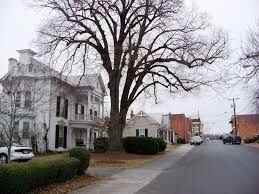
Planning Your Visit: A Few Practical Notes
If you’re heading into Virginia small towns, it helps to plan loosely. These places reward those who take their time. Instead of racing from attraction to attraction, consider:
• Leaving space for slow mornings
• Walking instead of driving when possible
• Talking to locals—they always know what’s worth seeing
• Visiting during fall or spring for the most scenic backdrops
You’ll find excellent guides and resources on Virginia’s official tourism pages. Here are a few helpful entry points to get started:
• Virginia Tourism Main Site: https://www.virginia.org
• Travel Guide for Virginia Small Towns: https://www.virginia.org/places-to-visit/
(You can treat these as your planning “home base,” especially if you want maps, updated events, and accommodation tools.)
A Traveler’s Reflection
After spending time exploring virginia small towns, you begin to understand why people talk about them the way they do. They aren’t just destinations; they’re experiences that settle gently into memory.
It might be the soft echo of church bells in a morning fog, or the way shop windows glow at dusk. Maybe it’s the warmth of a conversation with someone who has lived in the same house for 40 years. These details stay with you because they reflect something we don’t often find anymore—a sense of belonging created without effort.
And that’s why the phrase virginia small towns keeps showing up in travel searches, guidebooks, and social media posts. People are craving places that feel real. These towns are real in the richest sense.
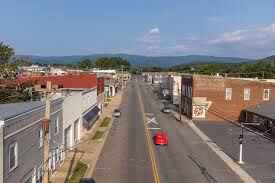
Frequently Asked Questions About Virginia Small Towns
1. What is the best time of year to visit Virginia small towns?
The best time to visit Virginia small towns really depends on the kind of experience you want, but a few seasons clearly stand out.
Spring and fall are the sweet spot. This is when Virginia small towns look their best: spring brings blooming dogwoods, fresh green landscapes, and lively main streets, while fall delivers crisp air, glowing foliage, and that cozy, postcard-perfect feel. The weather is comfortable, crowds are lighter, and it’s ideal for walking, dining outdoors, and exploring local shops.
That said, summer has its own charm, especially in coastal Virginia small towns. Beach breezes, festivals, waterfront dining, and long sunny days make these towns feel vibrant and relaxed, even when the temperatures rise.
And if you’re drawn to quiet beauty, winter transforms mountain Virginia small towns into something special. Think misty mornings, snow-dusted peaks, fireplaces crackling in historic inns, and a slower pace that lets you really soak everything in.
In short, there’s no bad time to explore Virginia small towns just different moods, different magic, and plenty of reasons to come back again.
2. Are Virginia small towns family-friendly?
In most cases, yes—you’ll want a car to fully explore Virginia small towns.
These towns are often tucked into rural landscapes, mountain valleys, or coastal stretches where public transportation is limited or nonexistent. While many Virginia small towns have charming, walkable centers once you arrive, getting between towns—and reaching nearby attractions—usually requires driving.
Having a car gives you the freedom to move at your own pace, take scenic back roads, stop at roadside markets, and discover places that aren’t marked on every map. It also makes day trips easy, whether you’re hopping between historic towns, heading into the mountains, or cruising toward the coast.
If you want flexibility, spontaneity, and the chance to see more than just one main street, a car turns exploring Virginia small towns into a much richer experience.
4. Which small towns are best for first-time visitors?
You can find plenty of up-to-date inspiration, planning tools, and local insight through Virginia Tourism Corporation. Their official travel guides cover everything from charming itineraries and scenic routes to seasonal festivals and hidden gems across Virginia small towns.
Beyond that, local town websites, visitor centers, and regional travel blogs are excellent for discovering events that don’t always make national lists—farmers markets, weekend festivals, and community traditions that give Virginia small towns their personality.
If you want accurate information and ideas that match the season you’re traveling, these resources make planning easier and help you experience Virginia small towns the way locals do.
https://www.virginia.org/places-to-visit/
Conclusion
Whether you’re craving quiet mornings, wandering historic streets, or stumbling into creative spaces that stir something unexpected, Virginia small towns have a way of giving more than you came for. They don’t rush you. They don’t overwhelm you. Instead, they invite you to slow down, look closer, and actually feel where you are.
These towns remind you what travel is meant to be—unhurried days, meaningful conversations, familiar faces, and places that linger in your memory long after you’ve left. There’s beauty in their simplicity and depth in their stories, woven into old buildings, local cafés, and everyday routines.
If you’re looking for a kind of travel that feels grounded and genuine, Virginia small towns don’t just meet that expectation—they quietly redefine it.
Recommended post
Best Tourist Walk Tours: And all that you need to know 2026
Exploring the World’s Top Destinations: A Complete Travel Guide
Travel Agencies: Your Trusted Partner for Stress-Free and Affordable Trip in 2025
Why the Vacation Friends Movie Still Wins Over Audiences: A Deep Dive 2025
How The Australia Travel Commercial Became The Best Golden Standard for Tourism 2026