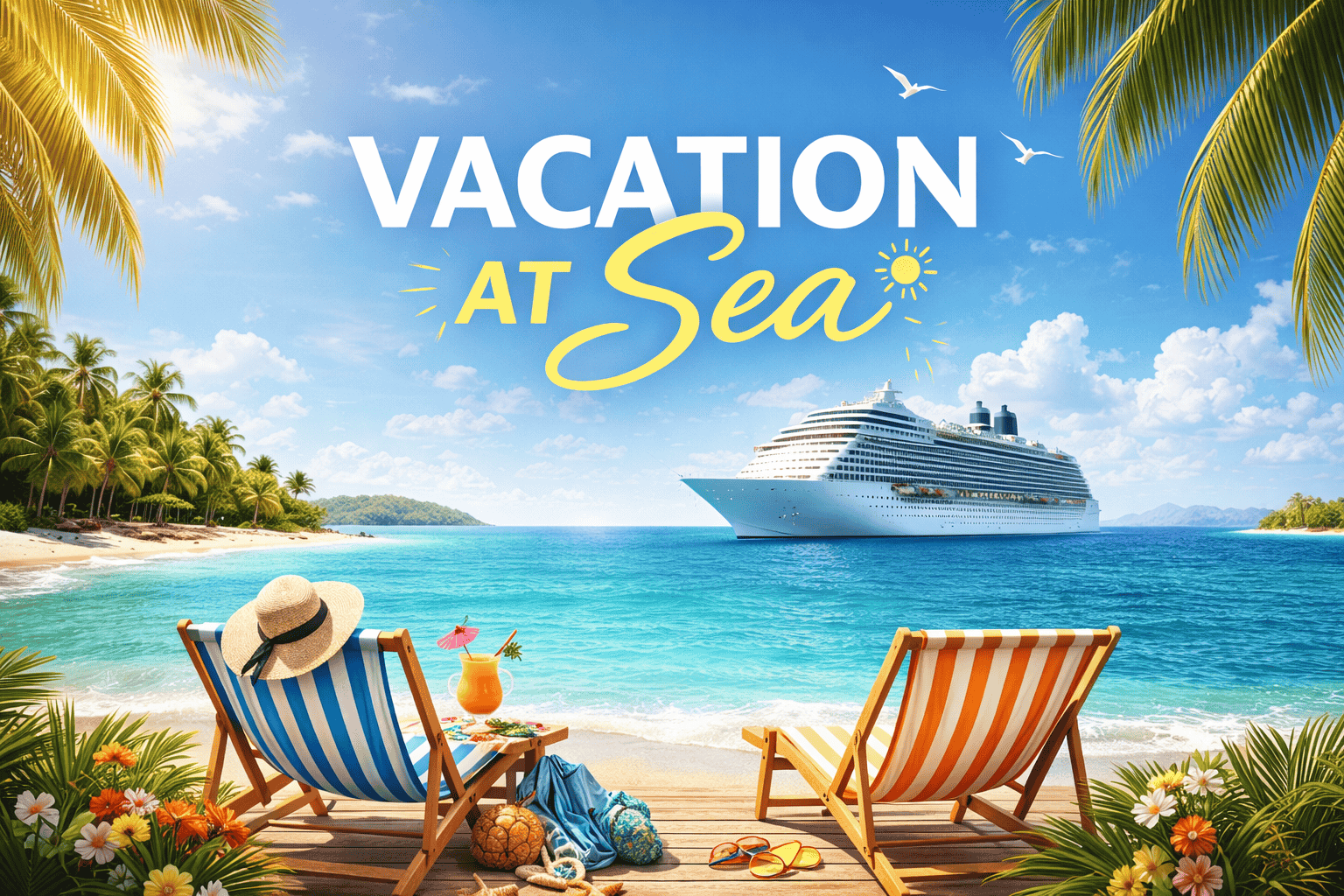
There is something deeply calming about the ocean. The steady rhythm of the waves, the endless horizon, the way time seems to slow down once land disappears. For many travelers, this is exactly why a vacation at sea feels less like a trip and more like a reset.
Unlike traditional vacations where you stay in one place and plan every detail, the sea offers movement without stress. You unpack once, settle in, and let the journey unfold. Each day brings a new view, a new destination, or sometimes just the luxury of doing absolutely nothing and enjoying it.
In recent years, ocean travel has evolved into one of the most rewarding ways to explore the world. Whether you are traveling solo, with family, or as a couple, a vacation at sea delivers comfort, adventure, and simplicity in a way few other experiences can.
What Makes a Vacation at Sea So Appealing?
The appeal begins with a rare kind of freedom one that feels both luxurious and effortless. You are no longer rushing through crowded airports, juggling connections, or dragging luggage from one hotel to another. Instead, your accommodation travels with you. You go to sleep in one place and wake up somewhere new, with a different skyline outside your window, without having to pack a single bag or worry about directions. That simplicity alone changes the entire tone of the journey.
A vacation at sea strikes an almost perfect balance between structure and choice. Everything you need is thoughtfully organized, yet nothing feels forced. Meals are available throughout the day, whether you want a leisurely breakfast, a quick bite, or a long, elegant dinner. Activities are planned and easy to access, but entirely optional. You can spend your morning learning something new, your afternoon exploring a port, and your evening enjoying live music—or you can do none of that and let the hours drift by as you watch the ocean roll past.
What truly sets the experience apart, though, is the emotional rhythm of life at sea. There is a calming predictability to the movement of the ship, paired with the quiet excitement of constant change. You are surrounded by comfort and refinement, yet always aware of the vast, open water around you. That contrast between luxury and nature, stillness and motion—creates a sense of perspective that many travelers do not expect but deeply appreciate.
A vacation at sea also invites you to slow down in ways that feel natural rather than intentional. Time stretches. Conversations linger. Silence becomes soothing instead of awkward. Without the pressure to “see everything,” you begin to enjoy moments simply for what they are. For many people, that is where the real appeal lies, not just in the destinations visited, but in how the journey itself gently restores a sense of balance and presence that is often missing from everyday life.
The Modern Cruise Experience Has Changed Everything
If your image of ocean travel is still shaped by older ideas, it is worth taking a second look. The modern cruise experience has evolved dramatically. Today’s ships are less about simply getting from one port to another and more about creating an immersive, thoughtfully designed environment that feels both sophisticated and welcoming. In many ways, they function like floating cities carefully planned spaces where comfort, creativity, and choice come together.
A modern vacation at sea offers far more than transportation and accommodation. Dining alone has become a highlight. Guests can enjoy world-class cuisine crafted by professional chefs, with menus that reflect global flavors, local influences from upcoming destinations, and options tailored to different dietary needs. Meals are no longer routine; they are experiences in their own right.
Wellness has also taken center stage. Many ships feature expansive spas with panoramic ocean views, quiet relaxation areas, and treatments designed to help guests fully unwind. Fitness centers are well-equipped, yoga decks open to the sea invite calm and focus, and walking or jogging tracks allow you to stay active while surrounded by open water. The emphasis is not on intensity, but on balance.
Entertainment and enrichment are equally refined. Live performances range from music and theater to intimate storytelling and cultural showcases. Lectures, workshops, and curated programs provide opportunities to learn, reflect, and engage with the places you are visiting long before you arrive there. For families, dedicated kids’ clubs and teen lounges create safe, engaging spaces that allow younger travelers to enjoy their own adventures while parents relax.
What truly defines the modern vacation at sea is how precisely it caters to different travel styles. Some ships are designed for deep relaxation, focusing on wellness, quiet spaces, and slow travel. Others lean into adventure, offering excursions, active programming, and destination-focused itineraries. There are also ships built specifically for luxury and privacy, where personalized service and refined design take priority.
No matter your pace, preferences, or reason for traveling, there is a vacation at sea shaped to fit your needs rather than force you into a preset mold.
For a clear overview of cruise styles, ship types, and itineraries, this guide is a useful place to begin:
Destinations You Can Only Fully Appreciate From the Sea
One of the greatest advantages of ocean travel is access. Many iconic destinations reveal their true beauty only when approached by water.
A vacation at sea allows you to experience:
-
Caribbean islands with crystal-clear waters
-
Mediterranean ports rich in history and cuisine
-
Scandinavian fjords carved by glaciers
-
Remote Pacific islands untouched by mass tourism
-
Coastal African and Asian cities with deep cultural roots
Sailing into a harbor at sunrise or watching a city glow as you depart at night adds a dimension land-based travel cannot replicate. These moments often become the memories travelers treasure most.
The Emotional Value of Time at Sea
.

Who Is a Vacation at Sea Best For?
One of the greatest strengths of this style of travel is its adaptability. A vacation at sea is not built around a single type of traveler; it is designed to meet people where they are, regardless of age, experience, or travel goals. The same journey can feel entirely different depending on how you choose to experience it.
For couples, a vacation at sea offers an easy sense of romance. There is privacy when you want it and shared moments woven naturally into the day sunsets on deck, unhurried dinners, quiet mornings watching the water pass by. Without the stress of planning every detail, it becomes easier to simply enjoy each other’s company and create memories that feel both intimate and effortless.
Families often find ocean travel especially appealing because of the balance it provides. Entertainment, safety, and convenience are all built into the experience. Children and teenagers have access to structured, age-appropriate activities, while parents can relax knowing everything is close by and thoughtfully managed. It is a rare kind of trip where everyone can enjoy themselves without constant compromise.
For solo travelers, a vacation at sea offers something many other trips do not: community without pressure. Social spaces, group activities, and shared experiences make it easy to connect with others if you choose, yet privacy is always respected. You can be as engaged or as independent as you like, without feeling out of place either way.
Retirees often appreciate the comfort and ease that come with this type of travel. The pace can be gentle, the service attentive, and the opportunities for learning and enrichment plentiful. From cultural talks to scenic journeys, a vacation at sea allows for exploration without physical strain or logistical stress.
First-time international travelers also benefit from the built-in structure and guidance. Transportation, accommodations, and many daily details are handled in advance, making it easier to focus on the experience itself rather than navigating unfamiliar systems. It provides a reassuring introduction to global travel without feeling restrictive.
Ultimately, what makes a vacation at sea so appealing to so many people is choice. You decide how social or private your journey will be, how active or relaxed your days feel, and how deeply you want to engage with each destination. That sense of control, paired with comfort and variety, is why so many travelers return to ocean travel again and again.
Food, Culture, and Discovery on Board
One of the most common misconceptions about ocean travel is that the cultural experience begins only when the ship docks. In reality, a vacation at sea often starts telling the story of each destination days before you ever step ashore. The journey itself becomes part of the discovery, gently immersing you in the places you are about to explore.
Onboard programming is designed to create context and curiosity. Menus begin to reflect the regions ahead, introducing local flavors, spices, and traditional dishes that hint at what is to come. Meals turn into quiet lessons in geography and culture, allowing you to taste a destination before seeing it.
Beyond the dining room, many ships offer cultural talks led by historians, regional experts, or seasoned travelers who understand the deeper layers of the places on the itinerary. These sessions go beyond surface-level facts, offering stories, historical background, and insights that help you see each destination with greater clarity and respect. Language basics and practical travel tips are often included, giving you simple tools that make exploring on land feel more personal and confident.
Cooking demonstrations and tasting sessions add another layer to the experience. Watching traditional dishes come together, learning about local ingredients, and sampling regional specialties create a sense of connection that feels both educational and enjoyable. These moments turn food into a bridge between cultures rather than just a meal.
By the time you step onto land, you already feel oriented. The sights, sounds, and flavors are familiar rather than overwhelming. Instead of arriving as a visitor trying to catch up, you arrive with context, curiosity, and a sense of anticipation.
If you are particularly interested in journeys where food and culture take center stage, this resource offers helpful inspiration and itinerary ideas:
Planning Your First Vacation at Sea
Planning your first journey on the water does not have to feel overwhelming. In fact, one of the advantages of choosing a vacation at sea is how much of the complexity is already taken care of for you. Still, a bit of thoughtful planning can make the experience feel more personal and far more rewarding.
Start by considering the length of your trip. Shorter cruises are often ideal for first-time travelers, giving you a clear sense of life at sea without a long time commitment. They allow you to ease into the experience and see what you enjoy most. Longer voyages, on the other hand, offer a deeper sense of relaxation. With more days onboard, the pace naturally slows, and you have time to fully settle into the rhythm of the journey.
Destination is another key factor. Think about climate, culture, and what you hope to get out of the trip. Some travelers are drawn to warm-weather routes with a focus on beaches and relaxation, while others prefer culturally rich itineraries or scenic coastlines. Your travel goals should guide the route you choose, not the other way around.
Ship size also plays a role in shaping your experience. Smaller ships tend to feel more intimate and personal, with quieter spaces and a stronger sense of community. Larger ships, by contrast, offer a wider range of entertainment, dining options, and activities. Neither is better—it simply depends on whether you value serenity, variety, or a mix of both.
Budget is often more flexible than it first appears. Many vacation at sea packages include accommodations, meals, and a wide range of onboard activities, which can make overall costs easier to manage and predict. When you look at what is included, the value becomes clearer, especially compared to trips where every detail is paid for separately.
If you are unsure where to begin, working with a travel advisor or using reliable planning tools can make the process much smoother. These resources help match your preferences with the right itinerary and ship, removing guesswork and saving time. A simple planning checklist can also help you stay focused on what matters most and ensure nothing important is overlooked.
Read more.Vacation To Go All Inclusive: The Complete Guide To Effortless Escapes. 2026
Sustainability and Responsible Ocean Travel
As ocean travel continues to expand, so does the conversation around sustainability. More travelers are now approaching a vacation at sea with greater awareness, looking not only at where they are going, but at how their journey impacts the environment and the communities they visit. This shift has encouraged meaningful changes across the industry.
Modern cruise lines are increasingly investing in cleaner fuel technologies that reduce emissions and improve overall energy efficiency. These innovations are designed to lessen the environmental footprint of ships while still delivering the comfort and performance travelers expect. Alongside this, advanced waste reduction and water treatment systems are helping to minimize pollution and protect marine ecosystems.
Many operators are also forming partnerships with marine conservation organizations, supporting research, habitat preservation, and educational initiatives focused on ocean health. These collaborations reflect a growing understanding that long-term success in ocean travel depends on safeguarding the very environments that make it possible.
Responsible tourism practices in port cities have become another priority. This includes working with local communities, supporting local businesses, managing visitor flow, and respecting cultural and environmental limits. When done well, a vacation at sea can contribute positively to the destinations it visits rather than placing strain on them.
Choosing cruise operators that are committed to these efforts allows you to enjoy the beauty of the ocean with greater peace of mind. It turns your journey into more than a personal escape it becomes a small but meaningful way to support the protection of the seas for future generations.
Why People Keep Coming Back
Talk to anyone who truly enjoys ocean travel and you will hear a familiar refrain: one trip is rarely the last. There is something about a vacation at sea that lingers long after the ship has returned to port, making the experience feel unfinished in the best possible way.
Part of that attachment comes from the rhythm of life onboard. Days unfold at an unhurried pace, shaped by the movement of the ship and the gentle predictability of sea days and port days. Friendships form naturally sometimes over shared meals, sometimes during excursions, sometimes in quiet conversations sparked by nothing more than a shared view of the ocean. Even brief connections often feel meaningful, because the environment encourages openness and presence.
There is also a powerful emotional element in the cycle of departure and return. Leaving land behind carries a sense of anticipation and possibility, while coming back brings reflection and gratitude. That emotional arc stays with people. Long after the journey ends, certain moments resurface unexpectedly a sunset on deck, the hush of early morning at sea, the excitement of waking up somewhere new.
What keeps travelers coming back, though, is the balance between familiarity and discovery. Each voyage carries the comforting structure of a vacation at sea, yet no two journeys are ever the same. Routes change, destinations shift, fellow travelers are different, and new experiences emerge. You know what to expect, but you are never bored by it.
That combination of comfort and novelty creates a quiet pull. It turns ocean travel into something more than a single trip it becomes a rhythm people want to return to, again and again.
.
Frequently Asked Questions
Is a vacation at sea suitable for first-time travelers?
Yes, a vacation at sea is especially well suited for first-time travelers. One of its greatest advantages is how much of the logistics are already taken care of. Accommodations, meals, entertainment, and transportation between destinations are all managed in one place, which removes much of the stress that often comes with planning a traditional trip.
For someone new to travel, this built-in structure creates a sense of ease and confidence. You do not have to navigate unfamiliar airports repeatedly, coordinate multiple hotels, or worry about daily transportation. Instead, you can focus on enjoying the experience, exploring at your own pace, and gradually becoming comfortable with being in new environments. That simplicity makes a vacation at sea an ideal introduction to traveling, especially for those who want guidance without feeling restricted.
What should I pack for a vacation at sea?
When preparing for a vacation at sea, packing thoughtfully can make your journey far more comfortable and enjoyable. Start with comfortable, casual clothing for daytime activities on deck or in port. Include swimwear for pools, hot tubs, or beach excursions, and don’t forget a lightweight jacket or sweater for breezy evenings on deck.
Many cruises also have formal or semi-formal nights, so it’s wise to pack a set of dressier outfits for dinners or special events. Comfortable shoes are essential both for walking around the ship and for excursions onshore. Accessories like sunglasses, hats, and sunscreen are indispensable, as is a small bag for day trips.
Most cruise lines provide detailed packing guides tailored to their ships and itineraries. These guides cover everything from recommended clothing and toiletries to optional items that can enhance your experience, helping ensure you bring just what you need without overpacking.
Are vacations at sea expensive?
Vacations at sea can suit a wide range of budgets, making them more accessible than many people realize. While the upfront cost might seem higher than a standard hotel stay, it’s important to consider what is included. Lodging, meals, onboard entertainment, and transportation between destinations are all bundled together, which often provides excellent overall value.
Additionally, many cruise lines offer packages, promotions, or tiered accommodations, allowing travelers to choose options that fit their comfort level and financial plan. For those who factor in convenience, inclusivity, and the unique experiences onboard, a vacation at sea often ends up being more cost-effective and far less stressful than trying to plan a comparable multi-destination trip on land.
Will I get bored onboard?
Is a vacation at sea safe?
Yes, a vacation at sea is generally very safe. Modern ships are built and operated according to strict international safety standards, with robust protocols in place for emergencies. Crew members are highly trained in safety procedures, including navigation, firefighting, and first aid.
Most ships also have well-equipped medical facilities staffed by trained professionals, ensuring that travelers have access to care if needed. Combined with constant monitoring, safety drills, and secure onboard systems, these measures make a vacation at sea a reassuring and reliable choice for travelers of all ages
Conclusion
Travel should leave you feeling energized, inspired, and renewed not drained. That’s precisely what a vacation at sea delivers. It’s an experience that blends adventure, comfort, and reflection in a way few other trips can.
A vacation at sea isn’t just about the destinations on the itinerary it’s about how you feel along the way. There’s something uniquely calming about the steady motion of the ocean, the endless horizon, and the gentle rhythm of ship life. It encourages you to slow down, breathe deeply, and savor each moment as it comes.
Whether you seek relaxation, discovery, or a chance to reconnect with yourself or loved ones, a vacation at sea offers a rare combination of luxury, exploration, and genuine peace. If you’re ready for a journey that nourishes both body and mind, it may be time to let the sea carry you to your next unforgettable adventure.
Recommended posts
Travel Advisory Insights: What Today’s Travelers Need to Know in 2026
Your Perfect 3 Day Tour in London.Three Days, One City, Endless Stories 2026