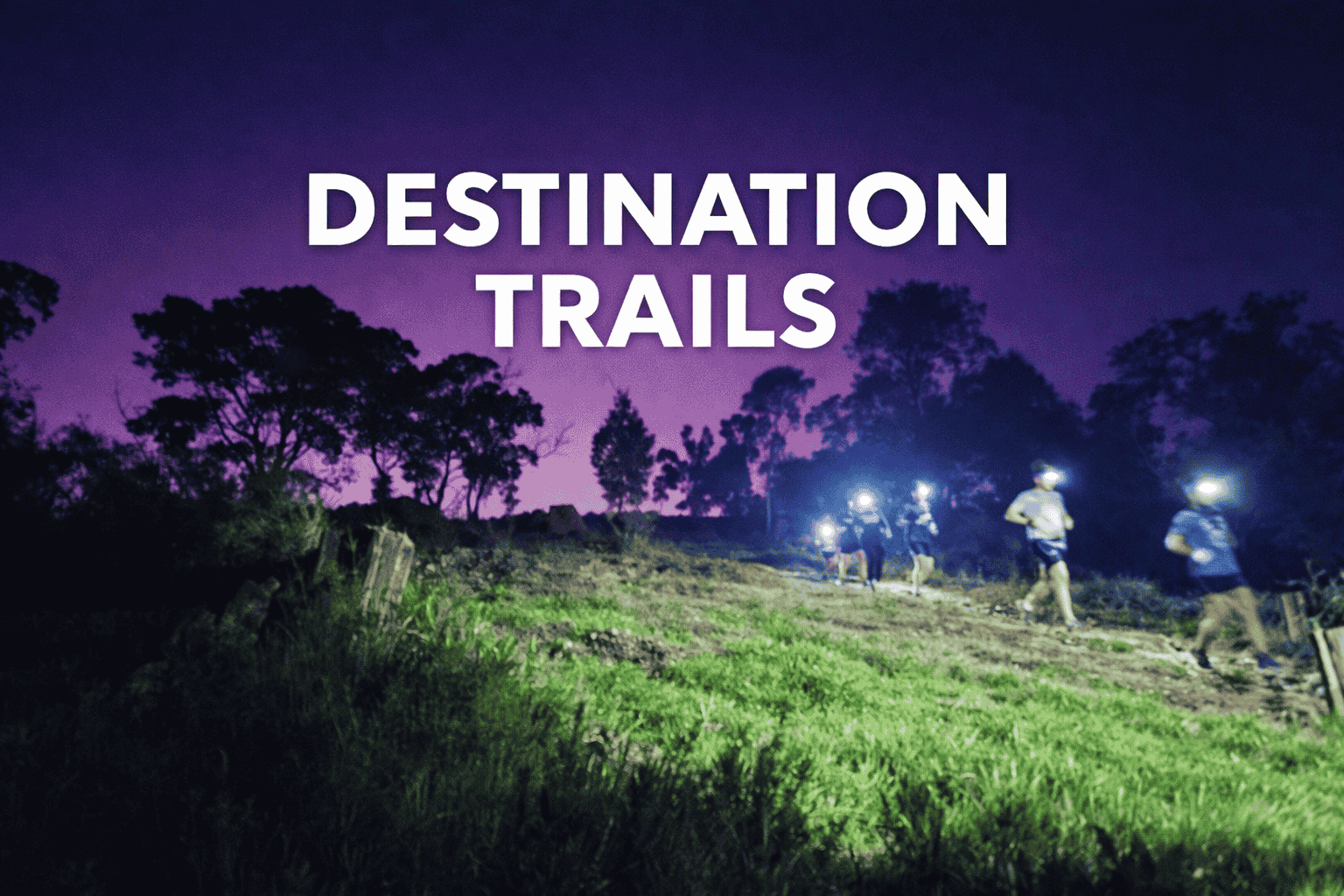
Destination trails. Travel has changed. Not just in where we go, but in how we choose to experience the world. More people are stepping away from crowded landmarks and predictable itineraries and leaning into something slower, richer, and more intentional. That shift is exactly where destination trails come in.
At their core, trails destination are not just routes on a map. They are stories unfolding step by step, landscapes revealing themselves gradually, and cultures experienced through presence rather than spectacle. Whether carved through mountains, coastlines, deserts, or historic towns, these trails offer travelers something deeper than a checklist. They invite curiosity, patience, and connection.
In this guide, we’re going to explore what destination trails truly represent, why they matter more now than ever, and how to experience them in a way that respects both the place and the people who call it home.
What Are Destination Trails?
Destination trails are thoughtfully developed travel routes designed to guide visitors through a region’s most meaningful natural, cultural, and historical spaces—but they do something more subtle than that. They change how travel feels. Instead of jumping from one attraction to the next, destination trails invite you to follow a continuous path, letting places unfold gradually rather than all at once. You don’t rush through them. You move with them.
Unlike traditional tourism, which often prioritizes highlights and checklists, destination trails are built around connection. Each stop relates to the next through story, landscape, or lived experience. The road between places matters just as much as the places themselves. Travel becomes less about arrival and more about attention.
A destination trail can take many forms. It might be a walking route linking ancient villages, where history reveals itself step by step. It could be a scenic driving trail through wine country, where seasons, soil, and local tradition shape every turn. Some are cycling routes that trace coastlines or valleys. Others are food trails, moving from one local kitchen, market, or family-run restaurant to the next. The format varies, but the principle stays the same: continuity over convenience.
What truly sets destination trails apart is the shift in mindset they encourage. This way of traveling transforms movement into participation. Instead of arriving, taking photos, and leaving, you spend time. You notice patterns. You recognize faces. You begin to move at the pace of the place rather than your itinerary.
Destination trails don’t ask you to consume a destination. They ask you to engage with it. They reward patience, curiosity, and openness, offering something deeper than a collection of memories. By the time the trail ends, you don’t feel like you’ve “done” a place—you feel like you’ve lived alongside it, even if only briefly.
Why Destination Trails Are Gaining Popularity
One of the most overlooked aspects of destination trails is how deeply they shape the way people feel. These journeys tend to strip travel back to something quieter and more human. There are moments of calm clarity that arrive without warning—watching light shift across hills in the early morning, exchanging a few unhurried words with a local shop owner, or walking for hours with nothing demanding your attention. These moments don’t feel dramatic, but they settle in slowly and stay.
Because destination trails unfold gradually, they create emotional continuity. You’re not constantly resetting in a new place or rushing to orient yourself. Instead, familiarity builds. You begin to recognize patterns, faces, rhythms. A café feels known. A road feels remembered. Over time, the place stops feeling external and starts to feel lived-in, even if only briefly.
That sense of connection changes how the journey ends. When the trail is over, it doesn’t feel like you’ve visited somewhere. It feels like you’ve spent time there time that had weight, texture, and meaning. There’s often a quiet reluctance to leave, not because of unfinished sights, but because of the emotional space you’ve grown into.
This is where destination trails differ most from conventional travel. They don’t just move you through landscapes; they give you room to settle into them. And that emotional depth—the feeling of having been present rather than just passing through—is what turns a trip into a memory that lasts long after the route itself fades.
Types of Destination Trails Around the World
Trails destination come in many forms, shaped by geography, culture, and tradition.
Some are nature-focused, winding through forests, mountains, and protected landscapes. Others are heritage-based, tracing ancient trade routes or pilgrimage paths. There are culinary destination trails that celebrate regional dishes and ingredients, and creative trails that highlight art, music, and storytelling.
What unites them all is intention. These trails are curated to reflect the soul of a place, not just its surface appeal.

How Destination Trails Support Sustainable Travel
Sustainability is no longer optional in tourism, and destination trails play a major role in responsible travel development.
By encouraging longer stays and slower movement, destination trails reduce environmental strain. They also empower smaller communities by directing visitors beyond major urban centers. When travelers spend money across multiple stops, the economic benefits spread more evenly.
Many destination trails are developed in partnership with local stakeholders, ensuring that tourism growth aligns with community values. That collaboration is what keeps destinations livable while still welcoming.
Planning a Trip Around Destination Trails
Planning travel around destination trails requires a different mindset. Instead of booking everything down to the minute, it’s better to leave room for discovery.
Start by researching official trail resources and regional guides. Many tourism boards provide detailed information on accommodation, transport, and seasonal considerations. You can explore curated routes and planning tools through resources like
Destination Trails for inspiration and structure.
Choose accommodations that align with the trail’s rhythm guesthouses, eco-lodges, or locally owned inns often enhance the experience far more than large resorts.
What to Expect When Traveling Destination Trails
Traveling destination trails isn’t about precision or perfectly executed plans. It’s about movement, patience, and accepting that things will change along the way. Weather shifts. Routes evolve. Transport runs late. Days don’t always unfold as expected. Rather than distractions, these moments are part of what gives destination trails their character.
You can expect stretches of quiet long walks, slow drives, or hours where the only company is the landscape around you. You can also expect unexpected conversations: a shared meal with strangers, a local offering directions that turn into stories, a brief exchange that lingers longer than any landmark. These are the moments that don’t announce themselves and rarely show up online, yet they tend to stay with you.
Travel moves more slowly on destination trails, almost by design. That slower pace sharpens your awareness. You notice small details the sound of a town waking up, the texture of old walls, the rhythm of daily routines, the way places transition gradually rather than abruptly. The journey becomes less about arrival and more about attention.
Destination trails reward travelers who remain open rather than rushed, curious rather than controlling. If you let go of the need for perfection, you’ll find something quieter and more lasting in return: a deeper sense of place, and a travel experience that feels genuinely lived rather than simply completed.
Destination Trails and Cultural Respect
Interestingly, trails destination thrive in contrast to digital travel culture. While social media favors quick visuals, trails favor immersion.
That doesn’t mean technology has no place. GPS maps, trail apps, and digital storytelling tools can enhance navigation and understanding. Many platforms now offer interactive content related to
Destination Trails, helping travelers prepare while still leaving room for spontaneity.
The key is balance using technology as a guide, not a filter.
Why Trails Destination Create Better Stories
Ask any experienced traveler what they remember most, and it’s rarely the famous attraction. It’s the in-between moments. trails Destination are built entirely from those moments.
They generate stories that don’t need exaggeration. Stories about people met along the way, quiet meals shared, and landscapes experienced without distraction.
This is why writers, photographers, and creatives are drawn to destination trails—they offer narrative depth that can’t be rushed.

How Destination Trails Are Shaping the Future of Tourism
As destinations rethink tourism models, destination trails are becoming central to long-term planning. They allow regions to highlight identity without overexposure and growth without loss.
More countries and regions are investing in trail development because it aligns economic opportunity with preservation. It’s a model that values quality over quantity.
Looking ahead, destination trails will likely define what meaningful travel looks like for the next generation.
Read more Best Destinations Undiscovered: A Journey Beyond the Map and Into the Heart of Travel 2026
Tips for Experiencing Trails Destination Thoughtfully
Travel light, both physically and mentally. Pack only what you need, and leave space for surprises. Talk to locals. Ask questions. Follow recommendations that aren’t sponsored.
Most importantly, give yourself permission to slow down. Destination trails are not about efficiency. They’re about presence.
For curated ideas and evolving trail concepts, you can explore guides and updates through
trails destination as a starting point.
Frequently Asked Questions About Trails Destination
What makes destination trails different from regular tourist routes?
Destination trails differ from regular tourist routes in how they frame the experience.
Traditional tourist routes are built around isolated highlights—specific attractions you move between, often with little connection beyond proximity. The focus is on seeing individual sights, ticking boxes, and moving on.
Destination trails, by contrast, are designed around continuity. Each stop connects to the next through a shared theme, story, landscape, or cultural thread. The experience unfolds gradually, encouraging you to understand how places relate to one another rather than viewing them in isolation.
Because of this, destination trails place as much value on the journey as on the destination itself. Travel time isn’t treated as a gap to be minimized, but as part of the experience—where reflection, discovery, and connection happen. That sense of flow and narrative is what sets destination trails apart.
Are destination trails suitable for solo travelers?
Yes. Destination trails are often especially well suited to solo travelers.
Their structure provides a natural sense of direction without locking you into a rigid schedule, which can feel reassuring when traveling alone. At the same time, the slower pace encourages interaction—shared transport, small guesthouses, local cafés, and community-run experiences create easy opportunities to meet people without forcing social situations.
Destination trails also leave space for reflection. Moving through a series of places with a clear theme or route gives solo travelers time to think, observe, and settle into their own rhythm. You’re rarely rushed, yet you’re never without purpose. For many people traveling alone, that balance is what makes destination trails not just practical, but deeply rewarding.
Do trails destination require physical fitness?
Not always. Destination trails vary widely in how physically demanding they are.
Some are built around walking or hiking and do require a reasonable level of fitness, especially if they involve long distances, elevation changes, or uneven terrain. Others, however, are designed for driving, cycling, or even train travel, where the emphasis is on exploration rather than endurance.
Many destination trails are cultural or thematic rather than physical—linking towns, heritage sites, food regions, or historical landmarks at a relaxed pace. These can be enjoyed comfortably by travelers of different ages and abilities. The key is matching the trail to your comfort level and choosing a pace that lets you enjoy the journey without turning it into a physical challenge.
How long should a destination trail trip last?
There’s no single rule for how long a destination trail trip should last—it really depends on the nature of the trail and the experience you want.
Some trails are compact and immersive, designed to be enjoyed over a long weekend or a few focused days. They offer a clear route, manageable distances, and highlights that unfold quickly. Others are meant to be slow journeys, stretching across regions or even countries, where weeks of travel allow you to fully absorb changing landscapes, cultures, and rhythms.
What matters most is pacing. A destination trail works best when you have enough time to follow it without rushing, allowing for rest days, detours, and unexpected moments along the way. Whether it’s a few days or several weeks, the right length is the one that lets the trail reveal itself naturally rather than feeling like something you have to hurry through.
Are destination trails family-friendly?

Final Thoughts: Why trails Destination Matter
trails destinations remind us why we travel in the first place. Not to collect places, but to connect with them. They challenge the idea that more is better and replace it with something quieter and more meaningful.
In a world that often moves too fast, destination trails invite us to move differently. To listen. To notice. To stay a little longer.
And in doing so, they don’t just change how we travel. They change how we remember the world.
For ongoing inspiration, regional guides, and thoughtful planning tools, visit
trails Destination and begin shaping journeys that feel personal, grounded, and unforgettable.
Recommended Posts
Your Perfect 3 Day Tour in London.Three Days, One City, Endless Stories 2026
Top Travel Essentials for Flight: Smart Packing Tips for a Better In-Air Experience 2026
Why the Vacation Friends Movie Still Wins Over Audiences: A Deep Dive 2025