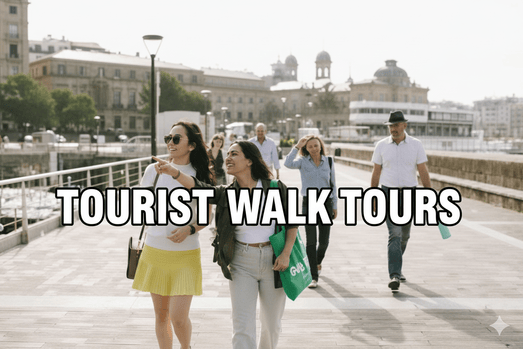
Tourist Walk Tours. There’s something special about seeing a place on foot. Long before modern travel apps, double-decker buses, and high-speed trains, people discovered cities simply by walking through them feeling the streets under their shoes, hearing the noise shift from one corner to the next, and sensing the culture without needing anyone to explain it. That spirit still lives on today, and it’s exactly why tourist walk tours have become one of the most beloved ways to explore new destinations.
So, if you’ve ever wondered why walking tours are so popular or if you’re planning a trip and trying to decide whether a guided walking tour is worth your time this long, detailed guide breaks everything down for you. You’ll get a full picture of the benefits, how they work, what makes them special, and how to choose the best tour for your travel style. I’ll also share some practical tips that seasoned travelers swear by, plus a full FAQ section to answer the questions people ask again and again.
Why Tourist Walk Tours Matter More Than People Realize
The idea of joining a walking tour sounds simple. You meet a guide, you stroll around, you hear some stories, you look around, and that’s it right?
Not quite.
What actually happens on most tourist walk tours is that a place stops being just a place. It turns into a story. It turns into a memory you carry differently. Something as basic as an old building suddenly becomes a time capsule. A street you might’ve ignored reveals a whole history you would’ve never caught on your own. A sculpture you would’ve walked past without noticing turns into a meaningful symbol once you hear the story behind it.
That’s the power walking tours offer: a chance to connect to a destination without rushing through it.
Most travelers don’t talk about this, but walking slows your mind down. When you’re not moving inside a bus or a car, your senses sharpen. You start observing, noticing colors, textures, people, sounds things you’d completely miss at higher speed. That’s why so many people say that walking tours are the heart of authentic tourism.
What Makes Tourist Walk Tours So Unique?
1. They make travel feel personal again
A good walking tour doesn’t feel like a “tour. It feels like spending an afternoon with a local who genuinely wants you to see their city through their eyes. Many tour guides grew up in the neighborhoods they show you, so their stories feel lived-in, not rehearsed.
They tell you where they used to buy snacks as kids. They point out the street their grandparents lived on. They share legends, inside jokes, neighborhood gossip—things you’ll never find in guidebooks.
That personal touch is part of what makes tourist walk tours so unforgettable.
2. You discover hidden gems
Every major city has a “top attractions” list the popular landmarks everyone visits. They’re great, but what about the spots that aren’t on the internet’s radar?
On city walk tours, guides intentionally lead you through side alleys, local cafés, little courtyards, tucked-away shops, and quiet heritage streets most travelers don’t even know exist. These moments are often the highlight of the entire trip.
3. Walking tours feel slower in the best way
Travel can be overwhelming. The rush to “see everything” often leaves people exhausted instead of inspired. Walking tours interrupt that rush.
You’re not just visiting a landmark you’re experiencing the journey that leads to it.
4. You get direct access to a local expert
Instead of Googling facts or reading plaques, you’re hearing real-time storytelling from someone who understands context, history, and culture.
And because guided walking tours are interactive, you can ask questions anytime—about food, culture, safety, customs, or anything you’re curious about.
5. They’re affordable
Walking tours are usually much cheaper than large bus tours or private excursions. Some cities even offer free walking tours based on tips.
That affordability makes them the perfect option for budget travelers, especially those who still want depth and connection in their travel experience.
Types of Tourist Walk Tours Travelers Love
Tourist walk tours are more varied than most people realize. There’s truly something for every kind of traveler, no matter your interests or pace.
History enthusiasts can wander through centuries-old streets, learning the stories behind battles, revolutions, and local traditions. Food lovers can stroll through markets and eateries, tasting dishes while discovering the culture behind them. Night owls experience cities in a whole new light, with illuminated streets, lively nightlife, and hidden gems that only come alive after dark.
Art and architecture tours highlight murals, sculptures, and buildings, while nature-focused routes take you through parks, gardens, or scenic trails just beyond the city. Ghost or mystery tours add drama and suspense, blending local legends with history for an unforgettable experience.
No matter your travel style, Tourist Walk Tours offer a way to explore, learn, and connect with a place on foot making every step memorable.
Historical Walking Tours
If you want to truly understand a city’s story, historical walking tours are the way to go. They dig beneath the surface, exploring wars, colonial influences, revolutions, traditions, and the cultural shifts that shaped the place you’re visiting.
Every old town or ancient city is layered with history, and being on foot lets you notice the details that make those stories real from centuries-old architecture to tucked-away monuments and quiet streets where history unfolded. Guides bring these layers to life, sharing context, anecdotes, and insights that make the past feel immediate and engaging.
For travelers who crave depth and meaning, Tourist Walk Tours focused on history turn sightseeing into an exploration of time itself, revealing the city as more than just a collection of sights.
Food Walking Tours
For food lovers, walking tours centered on cuisine are an absolute treat. You don’t just sample dishes you dive into the flavors, smells, and stories that make a city’s food scene unique.
These tours often take you to local markets, family-run stalls, and hidden eateries. You meet vendors, see ingredients up close, and hear the cultural significance behind each dish. It’s not just eating; it’s experiencing the city through its food, one bite at a time.
A food-focused Tourist Walk Tour blends taste, culture, and storytelling, turning every snack and sip into a deeper understanding of the place you’re exploring. It’s one of the richest, most immersive ways to connect with local life.
Art and Architecture Tours
Cities take on a whole new personality after dark, and night walking tours let you experience it in a way daytime visits can’t. Streets glow under lamps, markets quiet down, nightlife springs to life, and monuments are often beautifully illuminated.
Walking at night gives you a different rhythm and perspective. You notice shadows, reflections, and details that are easy to overlook during the day. Guides on Tourist Walk Tours highlight evening hotspots, share local stories, and show you parts of the city that feel almost magical after sunset.
For anyone curious about the energy and character of a city after hours, night walking tours transform familiar streets into a completely new adventure.
Ghost or Mystery Tours
If you love a bit of drama and suspense, ghost or mystery walking tours are made for you. These tours mix history with local legends, eerie tales, and mysterious happenings, bringing a whole new layer of intrigue to familiar streets.
Even if you’re skeptical about ghosts, the storytelling alone is captivating. Guides know how to set the scene, build tension, and make the city itself feel like part of the story. Tourist Walk Tours like these turn every alley, square, and historic building into a stage, making history feel alive and occasionally a little spooky.
For travelers seeking thrills, laughs, or just a different way to see a city, ghost and mystery tours offer a unique, unforgettable perspective.
Nature or Scenic Walking Tours
Not every walking tour sticks to streets and buildings some take you into parks, along coastal paths, through gardens, or onto nearby nature trails. These tours are perfect if you want a peaceful escape from the bustle of the city while still exploring on foot.
The slower pace and natural surroundings make them ideal for photography, whether you’re capturing sweeping landscapes, colorful flora, or wildlife. Guides often point out hidden viewpoints, local plants, or scenic corners that you might miss on your own.
For travelers who love fresh air, calm surroundings, and striking scenery, nature-focused Tourist Walk Tours combine relaxation with discovery, giving you a chance to connect with both the environment and the city in a more mindful way.
Who Benefits Most from Walking Tours?
Honestly, almost everyone can get something out of Tourist Walk Tours. The beauty of walking tours is that they put you directly in the heart of a city, letting you see, hear, and feel things that bus tours or self-guided trips might miss.
Curious travelers benefit from the detailed stories and local insights guides share. History buffs, architecture lovers, and culture enthusiasts get a chance to explore sites up close, ask questions, and notice the small details that often go overlooked. Foodies can enjoy culinary walks, tasting local flavors along the route, while night owls may prefer evening tours that reveal the city’s nightlife and hidden gems after dark.
Even casual explorers or travelers with limited time can gain perspective and orientation, as walking allows you to experience neighborhoods more naturally than any map or vehicle could provide.
In short, Tourist Walk Tours are versatile. Whether you’re seeking knowledge, adventure, or just a leisurely stroll, there’s a tour that matches your pace, interests, and energy level.
Solo Travelers
Walking tours can be a game-changer if you’re exploring on your own. They offer instant social connection, putting you in a small, shared experience with people from all over the world.
Being part of a group helps solo travelers feel safer and more comfortable, especially in unfamiliar cities. It’s easy to strike up conversations during stops or while moving between sights, and many friendships have started simply by walking and chatting along the route.
For those traveling alone, Tourist Walk Tours turn a solo adventure into a communal experience without forcing it. You get the freedom to explore at your own pace, but with the added reassurance of company and shared discovery.
Groups & Families
Guided walking tours take a lot of the pressure off when you’re traveling with a group or family. Instead of juggling maps, schedules, and differing interests, you simply follow an expert who knows the route, the highlights, and the best spots to stop.
For families, this means everyone from kids to grandparents can stay engaged without the stress of planning every detail. The guide keeps the pace manageable, tells stories that capture attention, and often includes interactive moments that appeal to all ages.
For groups of friends or extended travel parties, walking tours provide a shared experience everyone can enjoy together. You move as a team, learn something new, and make memories along the way, without anyone feeling left behind or lost.
First-time Visitors
For anyone stepping into a city for the first time, Tourist Walk Tours are an excellent starting point. They offer a curated overview of key landmarks, neighborhoods, and local culture, giving you a sense of the city’s rhythm and layout.
Beyond just seeing sights, you gain context stories, history, and little known facts that make later exploration more meaningful. After the tour, you’ll know which streets to wander, which cafes to try, and which hidden corners are worth revisiting on your own.
Photographers
Walking tours are a photographer’s dream. Moving at a walking pace gives you the time to notice details that might be missed from a bus or vehicle: intricate architecture, street art, candid moments, and changing light throughout the route.
Whether you’re shooting with a phone or a professional camera, being on foot allows you to frame shots, experiment with angles, and capture authentic local scenes. Tourist Walk Tours often lead you to spots off the typical tourist track, giving photographers unique opportunities that make your images stand out
Photographers
Walking tours are perfect for photographers because they move at a pace that lets you truly see and capture the city. Unlike buses or cars, walking gives you time to pause, frame your shots, and explore angles you might otherwise miss.
These tours also take you into areas vehicles can’t reach, from narrow alleyways to hidden courtyards, giving you access to unique perspectives and candid moments. Whether you’re into street photography, architecture, or nature, Tourist Walk Tours let you follow the light, notice details, and take your time creating images you’ll remember.
Culture Lovers
If your goal is to truly understand a destination rather than just check off landmarks, a walking tour is the perfect place to start. Being on foot immerses you in the rhythm of the city you hear local languages, notice daily routines, and witness the small details that define a place’s character.
Guides on Tourist Walk Tours share stories, traditions, and insights that go beyond what you’d find in a guidebook. Every street, market, and corner becomes a lesson in culture, giving you context and meaning for everything you see. For culture lovers, walking tours turn sightseeing into a rich, engaging experience that lingers long after the tour ends.
How to Choose the Right Tourist Walk Tour
1. Decide what you want to learn
Tourist Walk Tours are most rewarding when the theme matches what you are genuinely curious about. Before booking, take a moment to think about what you actually want to learn or experience.
If history fascinates you, look for tours that focus on heritage, architecture, or important landmarks. These walks usually spend more time explaining the past, sharing local stories, and helping you understand how the place became what it is today. In that case, a food focused tour may feel distracting rather than fulfilling.
If you are drawn to nightlife, culture after dark, or the social side of a city, a night walk is often a better fit than a morning heritage tour. Night walks highlight music, street life, and local hangouts, giving you a feel for how the city comes alive after sunset. They are less about dates and facts and more about atmosphere and energy.
The key is alignment. When you choose Tourist Walk Tours based on what truly interests you, the experience feels natural and engaging. You listen more closely, ask better questions, and walk away feeling like your time was well spent.
2. Check the duration
The length of a Tourist Walk Tour plays a big role in how enjoyable it feels, especially once you are actually on your feet.
Most Tourist Walk Tours run anywhere from one to four hours. Shorter tours are ideal if you have limited time, are adjusting to a new city, or prefer a lighter experience. They allow you to get a solid overview without feeling tired, and they leave room in your schedule for meals, rest, or other activities later in the day.
Longer tours offer a deeper, more immersive experience. With extra time, guides can share richer stories, explore less crowded areas, and include meaningful stops along the way. These tours work best if you have the energy for sustained walking and do not feel pressured by a tight itinerary.
When choosing a duration, think realistically about your stamina and the rest of your day. A well matched tour length helps you stay engaged from start to finish, instead of counting the minutes. The right balance ensures your Tourist Walk Tour feels rewarding, not exhausting.
3. Look at Group Size
Group size can quietly shape your entire experience on Tourist Walk Tours, so it is worth paying attention to before you book.
Small groups usually create a more personal and relaxed atmosphere. With fewer people, the guide can move at a natural pace, answer questions without pressure, and adjust stops based on the group’s interests. It is easier to hear stories, interact with locals, and enjoy spontaneous moments, whether that means lingering at a scenic spot or taking an unexpected detour. Small groups often feel less like a schedule and more like a shared experience.
Large groups, on the other hand, tend to follow a tighter structure. Moving many people from one point to another takes time, so stops are often shorter and transitions quicker. Guides may need to rush explanations, and individual questions can get lost in the crowd. For some travelers this efficiency works, but for others it can make the tour feel hurried and less engaging.
When choosing Tourist Walk Tours, think about how you like to experience a place. If connection, flexibility, and comfort matter to you, a smaller group is usually the better choice.
4. Read reviews carefully
Travelers are usually honest online. Look for guides who are:
-
knowledgeable
-
friendly
-
humorous
-
good storytellers
5. Know Your Walking Pace
One of the easiest ways to enjoy Tourist Walk Tours is to be honest about how you like to move. Walking pace matters more than most people realize, because it shapes how much you actually enjoy the experience.
If you naturally walk slowly, there is nothing wrong with that. A relaxed or leisure tour is designed for people who want to take their time, stop often, and really notice their surroundings. These tours usually include frequent breaks, shorter distances, and plenty of moments to pause for photos, snacks, or storytelling. They are perfect if you enjoy soaking in the atmosphere, listening to local history, and moving at a comfortable rhythm without feeling rushed.
If you are more athletic or energetic, an active route will suit you better. These Tourist Walk Tours tend to cover more ground, include longer distances, and sometimes feature hills, stairs, or faster transitions between locations. They are ideal if you like a sense of momentum, enjoy a physical challenge, and want to see as much as possible within a limited time.
Choosing the right walking pace is not about fitness alone. It is about matching the tour to your personal comfort and expectations. When your pace aligns with the tour style, you stay engaged, less tired, and far more likely to enjoy every step of the journey.
How to Prepare for a Walking Tour
Preparation might seem unnecessary, but a few simple steps can make your tourist walking experience a lot smoother.
Wear comfortable shoes
This may sound obvious, yet it is one of the most common mistakes travelers make on Tourist Walk Tours. Stylish shoes often look great in photos, but discomfort can quickly ruin the experience once the walking begins.
Walking tours usually involve uneven paths, cobblestones, stairs, and long stretches on your feet. Shoes that pinch, slip, or lack support can turn a pleasant walk into a painful distraction. Instead of listening to the guide or enjoying the scenery, you end up focusing on sore feet and counting steps.
Comfortable shoes allow you to stay present and relaxed throughout the tour. Well cushioned soles, good arch support, and a secure fit make a noticeable difference, especially on longer routes. When your feet are comfortable, you move more naturally, enjoy stops without rushing, and finish the tour feeling satisfied rather than exhausted.
For Tourist Walk Tours, comfort is not a compromise. It is a practical choice that directly improves the quality of your experience.
Carry water
Staying hydrated is essential on Tourist Walk Tours, especially in cities that are hot, humid, or physically demanding. Even a moderate pace can feel draining when the weather works against you.
Walking for extended periods causes you to lose fluids more quickly than you might notice. Without enough water, fatigue sets in faster, concentration drops, and the tour can start to feel uncomfortable. Something as simple as a reusable water bottle can make a significant difference in how you feel from start to finish.
Having water with you allows you to take small sips along the way, rather than waiting until you feel thirsty. This helps maintain your energy, keeps you alert, and makes it easier to stay engaged with the guide and the surroundings.
On Tourist Walk Tours, comfort is about preparation. Carrying water is a small step that helps ensure the experience remains enjoyable, not exhausting.
Bring a small backpack
A small backpack can make Tourist Walk Tours far more comfortable, as long as you keep it light and practical. The goal is convenience, not carrying everything you own.
Choose a compact bag that sits comfortably on your back and does not restrict movement. It should be just large enough for essentials like sunscreen, your phone, a camera, and perhaps a light snack. These small items can make a big difference, especially on longer walks or under strong sun.
Keeping your hands free allows you to walk naturally, take photos easily, and stay relaxed throughout the tour. At the same time, having what you need close by means fewer distractions and no need to cut the experience short.
For Tourist Walk Tours, a small backpack is about balance. Carry what supports your comfort and enjoyment, and leave the rest behind.
Charge your phone fully
A fully charged phone is easy to overlook, but it plays an important role in Tourist Walk Tours. Between photos, short videos, and navigation, battery life disappears faster than expected.
Walking tours are full of moments you will want to capture, from landmarks to small details you notice along the way. A low battery can force you to ration usage or miss those moments entirely. Beyond photos, your phone may be needed for maps, ride hailing, or finding your next destination once the tour ends.
Charging your phone before the tour gives you freedom. You can take pictures without hesitation, stay connected, and move on with your plans afterward without stress.
For Tourist Walk Tours, preparation often comes down to small details. A fully charged phone ensures convenience, flexibility, and peace of mind throughout the day.
Dress for the weather
What you wear can strongly influence how comfortable Tourist Walk Tours feel from start to finish. Unlike bus tours, walking keeps you fully exposed to the elements, with little shelter from sun, rain, or wind.
Check the forecast before you go and dress accordingly. Light, breathable clothing works best in hot conditions, while layers are helpful when temperatures change throughout the day. A light jacket or rain cover can save the experience if the weather turns unexpectedly.
Being dressed for the conditions helps you stay focused on the surroundings instead of discomfort. You walk more easily, enjoy stops without rushing, and remain engaged with the guide and the environment.
For Tourist Walk Tours, dressing for the weather is not just about style. It is about staying comfortable enough to enjoy every part of the journey.
What You Can Expect During Most Tourist Walk Tours
Every tour is different, but here’s the general flow:
-
Meet your guide at a landmark or meeting point.
-
Introduction and overview of the route.
-
Slow walk through key stops, with stories and explanations.
-
Time for questions and photo breaks.
-
A friendly wrap-up, often with suggestions for food, shopping, or other attractions.
Most people finish walking tours feeling enriched, relaxed, and much more familiar with the city.
Frequently Asked Questions About Tourist Walk Tours
Below are some of the most commonly asked questions travelers have. I’ve answered them in a straightforward and friendly way so you know exactly what to expect.

1. Are tourist walk tours safe?
Yes, Tourist Walk Tours are generally very safe.
You are usually part of a group led by a local guide who knows the area well, which reduces the risk of getting lost or wandering into unsafe areas. Tour routes are typically planned with safety and accessibility in mind.
That said, basic travel awareness still matters. Keep your valuables secure, be mindful in crowded areas, and follow the guide’s instructions. With those simple precautions, walking tours are a safe and comfortable way to explore a city.
2. How much do walking tours cost?
Tourist Walk Tours prices can vary quite a bit.
In many cities, you will find free walking tours where there is no upfront fee, but tipping the guide at the end is expected. For paid tours, prices commonly range from about $10 to $50 per person, depending on the city, tour length, and what is included.
Specialty tours such as food tastings, private walks, or themed experiences often cost more because they involve smaller groups, expert guides, or added extras. In general, there are options to fit almost every budget, from casual introductions to more in-depth experiences.
3. Do I need to be physically fit?
No, you do not need to be particularly physically fit.
Most city Tourist Walk Tours are designed for the average traveler. They cover relatively short distances, move at a relaxed pace, and include regular stops for explanations, photos, or short breaks. You do not need to be athletic or in peak condition.
As long as you are comfortable walking steadily for a couple of hours, you should be fine. If you have mobility concerns or prefer something less demanding, many tour descriptions note the distance and difficulty level so you can choose an option that suits you.
4. What should I bring?
Keep it simple and practical.
Comfortable walking shoes are essential, since you will be on your feet for most of the tour. Bring water to stay hydrated, especially in warm weather, and a phone or camera if you want to capture photos along the way. Sunscreen is a good idea for daytime tours, and a hat can help as well.
Carry everything in a light, small bag so you are not weighed down while walking. There is no need to bring anything heavy or unnecessary the more comfortable you are, the more enjoyable the tour will be.
5. Can children join tourist walk tours?
Yes, children can absolutely join Tourist Walk Tours.
Many walking tours are family-friendly and work well for kids because they are interactive, story-based, and allow plenty of movement. Guides often share fun facts, local legends, or visual landmarks that keep younger participants engaged rather than relying on long lectures.
That said, not every tour is designed with children in mind. Some may be lengthy, cover a lot of ground, or focus heavily on historical detail. It is a good idea to check the tour description in advance for age recommendations, duration, and walking distance.
When you choose the right tour, walking tours can be both educational and genuinely enjoyable for the whole family.
6. Are Tourist Walk Tours available in every city?
Not every city offers tourist Walk tours, but most major destinations do.
Large cities and popular travel hubs almost always have a range of walking tours, covering history, culture, food, and local neighborhoods. You will find them across Europe, Africa, Asia, and the Americas, often led by locals who know the city well.
Smaller towns or less-visited places may have fewer options or none at all. In those cases, tours may run only on certain days or seasons, or be organized informally through local guides or hotels.
If a place attracts visitors, chances are good that a walking tour exists you may just need to look a little harder in quieter destinations.
7. How do I book a walking tour?
Booking a walking tour is usually straightforward and flexible.
The easiest option is to book online through travel platforms or directly on a local tour company’s website. This lets you compare routes, prices, and reviews ahead of time, and it often guarantees your spot especially during busy travel seasons.
You can also book through your hotel or accommodation. Many hotels partner with local guides and can arrange tours for you, sometimes even on short notice. In some cities, you may also find walking tours that allow same-day sign-ups at popular meeting points.
If you like to plan ahead, book online. If you prefer to stay spontaneous, hotels and local operators can work just as well.
8. Will the tour be cancelled if it rains?
Usually, no at least not for light rain.
Most tourist walk tours companies continue operating in mild weather, especially walking tours, and simply adapt the pace or route if needed. A bit of rain is generally considered part of the experience, not a reason to cancel.
That said, heavier rain, storms, or unsafe conditions can lead to delays or rescheduling. Each company handles this differently, so the safest move is to check the tour provider’s weather policy or confirmation email in advance. That way, you know exactly what to expect and can plan accordingly.
9. Do I need to tip the guide?
Short answer: yes, in most cases, tipping is appropriate.
If the tour is advertised as free, the guide is typically working for tips. In that situation, tipping is not just polite it is the primary way the guide is compensated, so it is generally expected if you found the tour useful or enjoyable.
For paid tours, tipping is not mandatory, but it is appreciated. If the guide was knowledgeable, engaging, and clearly put effort into the experience, a tip is a good way to acknowledge that. If the service was average or minimal, it is perfectly acceptable to skip it.
A good rule of thumb is simple: if the guide added real value to your experience, a tip is a fair way to say thank you.

Conclusion: Why Walking Tours Will Always Be Worth It
At the end of the day, tourist walk tours aren’t just about sightseeing they’re about immersing yourself in a destination with all your senses. You slow down. You pay attention. You listen to stories. You feel the heartbeat of a place in a way no bus window or taxi ride can replicate.
A good walking tour doesn’t just show you where you are.
It reminds you why you came in the first place.
If you want to travel in a way that feels meaningful, grounded, and deeply human, every new city deserves at least one walk with a guide who knows the streets better than any map ever will.
Recommended post
Best Destinations Undiscovered: A Journey Beyond the Map and Into the Heart of Travel 2026
Vacation To Go All Inclusive: The Complete Guide To Effortless Escapes.
Flight Agency Near Me: How to Find Trusted, Affordable & Reliable Travel Experts