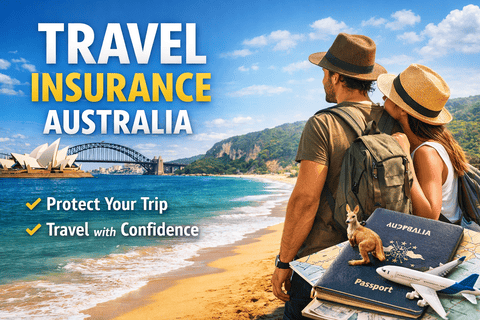
Travel Insurance Australia is exciting. Planning a trip to Australia usually starts with flights, accommodation, maybe a rough list of places you want to see. Sydney’s coastline, Melbourne’s cafés, the Great Barrier Reef, the outback. It all feels very real, very close.
What often gets pushed aside until the last minute is travel insurance. Not because it is unimportant, but because it feels boring compared to everything else. The truth is, travel insurance Australia is one of those things you hope you never need, but will be very glad you have if something goes wrong.
So let us talk about it properly. No scare tactics. No fine print overload. Just what travel insurance Australia actually covers, why it matters, and how to choose the right one for your trip.
Why Travel Insurance Australia Is Not Optional
Australia is safe, well organized, and has excellent healthcare. That does not mean it is cheap. Medical treatment for visitors can be extremely expensive, even for something as simple as a doctor’s visit or an unexpected hospital stay.
Read more Why The Best Travel Insurance Consultants Matter More Than Ever in Modern Travel 2026
Beyond health issues, there are other realities of travel. Flights get delayed. Bags go missing. Plans change. Sometimes nature has its own ideas. Travel insurance is what protects you financially when things do not go according to plan.
Think of it less as an extra cost and more as peace of mind. You are paying to travel without constantly worrying about what could go wrong.

What Travel Insurance Australia Usually Covers
Most travel insurance policies for Australia share a common foundation, even though the details can vary from one provider to another. A comprehensive plan is usually designed to cover the essentials, the kinds of things that can quickly turn a great trip into a stressful one if you are unprepared.
At the core is medical cover. This typically includes emergency treatment, hospital stays, ambulance services, and in serious cases, medical evacuation or repatriation. Since healthcare costs in Australia can be high for visitors, this is often the most important part of the policy.
Trip-related protection is another standard feature. This may cover cancellation or interruption if you need to cut your trip short due to unexpected events like illness, injury, or certain family emergencies. Many policies also offer compensation for travel delays caused by issues such as airline disruptions or severe weather.
Baggage and personal belongings are usually included as well. This can mean reimbursement if your luggage is lost, stolen, or damaged, along with cover for essential items you need to buy while waiting for delayed bags to arrive.
Most comprehensive plans also include personal liability cover. This protects you if you accidentally cause injury to someone else or damage their property during your stay.
Depending on the policy, you may also see extras such as cover for rental car excess, limited protection for certain adventure activities, and 24 hour emergency assistance. These added features can make a real difference when something goes wrong far from home.
Medical and Hospital Expenses
Medical and hospital expenses are often the heart of any travel insurance policy, and for good reason. If you fall ill or get injured while in Australia, this cover is designed to take the financial pressure off at a time when you should be focused on getting better.
In practical terms, it usually pays for things like doctor consultations, hospital admission and treatment, emergency surgery, and prescribed medication related to the illness or injury. Many policies also include ambulance services and emergency medical evacuation if specialist care or transfer is needed.
Without travel insurance, all of these expenses are treated as private healthcare costs for visitors, which can add up very quickly. Having this cover in place means you are not forced to make difficult decisions based on cost when your health is on the line.

Emergency Medical Evacuation
Emergency medical evacuation cover is there for situations where local treatment is not enough. If your condition is serious, you may need to be transferred to a better equipped hospital, a specialist facility in another city, or in some cases, flown back to your home country for continued care.
These evacuations often involve air ambulances, medical escorts, and complex logistics, which is why the costs can run into tens or even hundreds of thousands of dollars. For most travelers, paying for this out of pocket is simply not realistic.
When included in your travel insurance, emergency medical evacuation is typically covered in full, as long as it is medically necessary and arranged or approved by the insurer. This ensures that decisions about your care are made based on medical need, not financial limits, at one of the most critical moments of your trip.
.
Trip Cancellation and Interruption
Baggage Loss or Delay
Baggage loss or delay cover is meant to reduce the stress that comes with arriving somewhere new without your belongings. When your luggage does not show up on time, even a short delay can disrupt your plans and leave you scrambling for basic necessities.
Most travel insurance policies will reimburse you for essential items such as clothing, toiletries, and other daily needs if your bags are delayed beyond a specified number of hours. If your luggage is lost or damaged, the policy may also cover the cost of replacing your belongings, up to the stated limits.
Read more Cover More Travel Insurance: Why Smart Travelers Never Leave Home Without It In 2026
It is important to keep receipts and report the issue to the airline or transport provider as soon as possible, as insurers usually require documentation. While it does not erase the inconvenience, this cover helps you stay comfortable and continue your trip with less disruption.
Personal Liability
Personal liability cover is one of those benefits people often overlook until they really need it. If you accidentally injure someone or cause damage to their property while in Australia, the financial consequences can be significant, especially if legal action follows.
This part of your travel insurance is designed to cover compensation costs and certain legal expenses, as long as the incident was unintentional and falls within the policy terms. It can apply to everyday situations, such as causing damage to accommodation or being involved in an accident that affects another person.
Having personal liability cover in place provides peace of mind. It means a simple mistake does not turn into a long lasting financial problem while you are far from home.

Who Needs Travel Insurance Australia
Short answer? Almost everyone.
Tourists visiting Australia for holidays
Students coming for short term courses
Business travelers attending meetings or conferences
Backpackers and working holiday visa holders
Families traveling with children
Each group may need slightly different coverage, but the core idea is the same. You are in a foreign country, and insurance gives you a safety net.
Travel Insurance Australia for International Visitors
For international visitors, travel insurance Australia is especially important when visiting Australia. If you are not an Australian resident, you are generally not covered by Medicare, the country’s public healthcare system. While Australia does have reciprocal healthcare agreements with a few countries, those arrangements are limited and often only cover basic or urgent care.
That means many common medical expenses, hospital stays, ambulance services, and emergency transport can still fall entirely on you. In serious situations, the costs can escalate very quickly.
Travel insurance is what bridges that gap. It ensures you can access proper medical care without worrying about the bill, and it provides support when you need it most, whether that is medical treatment, emergency assistance, or help navigating an unfamiliar healthcare system.
Choosing the Right Travel Insurance Australia
This is where many people get stuck. There are so many options, and they all sound similar. A few simple checks can make the decision much easier.
Look at medical coverage limits and make sure they are high enough
Check whether pre existing medical conditions are covered
Confirm coverage for activities you plan to do, like snorkeling or hiking
Read how trip cancellations and delays are handled
Make sure the policy includes 24 hour emergency assistance
Do not just choose the cheapest option. Choose the one that actually fits your trip.
Common Mistakes Travelers Make
Buying insurance after something has already gone wrong
Assuming basic insurance covers everything
Not declaring pre existing medical conditions
Ignoring policy exclusions
Skipping insurance for short trips
Most problems with travel insurance come from misunderstandings, not bad policies. Reading the basics before you buy can save a lot of stress later.
How Much Does Travel Insurance Australia Cost
The price of travel insurance for a trip to Australia isn’t a fixed number you can point to. It depends on a handful of personal and trip-specific factors: how old you are, how long you’ll be away, how much coverage you choose, and what kinds of activities you plan to do while you’re there.
Younger travelers on short trips with basic cover will generally pay less. If you’re older, planning a long stay, or want higher limits and extra benefits, the premiums go up. Add in adventure sports or special excursions, and that can raise the cost a bit more.
For most people, travel insurance ends up being a small fraction of the total cost of the trip. When you think about what a hospital visit, evacuation, or non refundable booking could cost without cover, that relatively modest premium often feels like a sensible investment in peace of mind.
Travel Insurance Australia and Peace of Mind
Travel insurance Australia isn’t just about policies and paperwork—it’s about the freedom to enjoy your trip without carrying a cloud of “what ifs” over your head. Knowing that unexpected medical bills, lost luggage, or sudden cancellations won’t ruin your plans lets you relax and really be present.
It’s the quiet assurance that, should something go wrong, you’re not facing it alone or footing a huge bill. That sense of security lets you focus on the moments that matter—the sights, the experiences, and the people you’re sharing them with. In the end, that peace of mind is what makes the insurance truly worth it.
Frequently Asked Questions About Travel Insurance Australia
Is travel insurance mandatory for Australia?
Travel insurance isn’t legally required for most visitors to Australia, but it’s highly advisable. Healthcare for non residents can be expensive, and Medicare—the public system—doesn’t cover most international travelers.
Having travel insurance ensures that you won’t be left with huge medical bills or struggling to access care in an emergency. Even though it’s not mandatory, for peace of mind and financial protection, it’s usually considered essential for anyone visiting Australia.
Does travel insurance cover Covid related issues?
Many travel insurance policies now include some coverage for Covid related issues, but the specifics can differ a lot between providers. Some plans cover medical treatment if you catch Covid while traveling, while others may also reimburse you for trip cancellations or interruptions due to illness, quarantine requirements, or government restrictions.
It’s important to read the policy carefully and confirm exactly what is and isn’t covered. That way, you won’t be caught off guard if Covid affects your plans.
Can I buy travel insurance after arriving in Australia?
In some cases, you can purchase travel insurance after arriving in Australia, but there are important caveats. Coverage is often more limited, and certain benefits—like pre existing medical conditions or trip cancellation for events that have already started—may not be included.
Also Read Cover More Travel Insurance: Why Smart Travelers Never Leave Home Without It In 2026
For the broadest protection, it’s usually best to arrange your travel insurance before you leave home. That way, you’re covered from the moment your trip begins, and you won’t risk gaps in your protection.
Is travel insurance Australia necessary if I am young and healthy?
Absolutely. Even if you’re young and healthy, travel insurance australia is still important. Accidents, sudden illnesses, lost luggage, or trip interruptions don’t discriminate—they can happen to anyone at any time.
Having insurance means you won’t have to pay unexpected medical bills out of pocket or deal with the stress of canceled flights or lost belongings. It’s not just about health—it’s about protecting your trip and your peace of mind.

Does travel insurance australia cover adventure activities in Australia?
Some adventure activities in Australia are included in standard travel insurance, but many—especially higher risk sports—require extra coverage. Activities like snorkeling, hiking, or kayaking may be covered automatically, while things like skydiving, scuba diving, or rock climbing often need a specific adventure sports add on.
It’s important to check your policy before you take part. That way, you know you’re protected if an accident happens while you’re chasing thrills.
How long should my travel insurance last?
Your travel insurance should cover every day of your trip, from the moment you leave home until you return. That includes travel time to and from Australia, any stopovers, and the full duration of your stay.
Ensuring full coverage for the entire period helps avoid gaps that could leave you exposed to medical costs, trip disruptions, or other unexpected expenses.
Conclusion
Travel insurance australia isn’t just a safety net—it’s a way to travel with confidence. Whether it’s covering medical emergencies, lost luggage, trip cancellations, or unexpected adventure mishaps, having the right policy lets you focus on enjoying your trip instead of worrying about “what ifs.”
For international visitors, especially, it bridges the gap in healthcare access and protects you from costly surprises. No matter your age, health, or travel style, investing in travel insurance australia is a small step that can make a big difference in turning a good trip into a truly stress free experience.