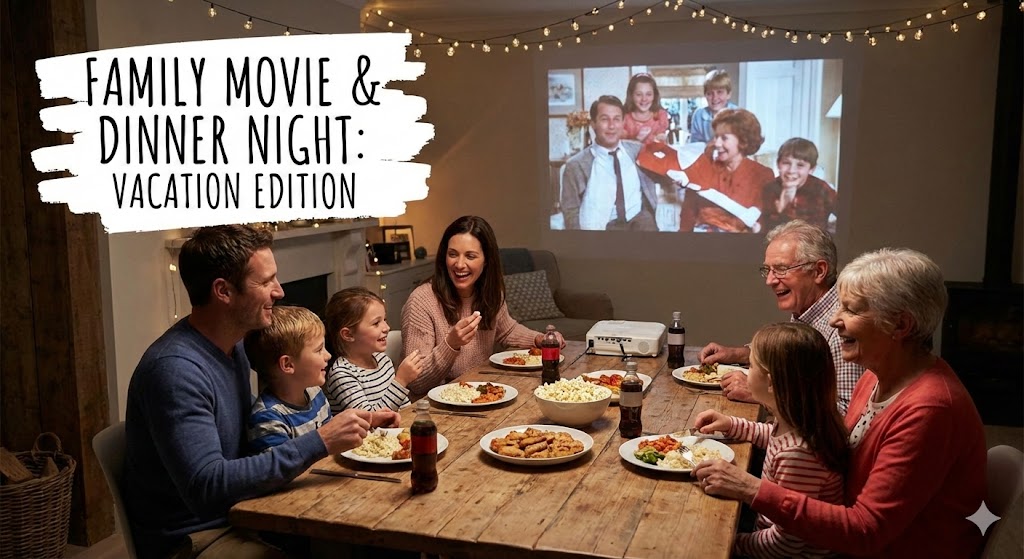
family vacation movie dinner scene. Family vacations have a way of imprinting themselves on our memories, especially the moments when everyone sits down for a meal and the atmosphere turns into something far more chaotic, heartfelt, or unintentionally hilarious than anyone expected. The family vacation movie dinner scene has become a cultural touchstone because it captures all of that in one concentrated burst of storytelling. Whether the characters are arguing over who gets the last roll or trying to hide a mishap that unfolded earlier in the day, these scenes have a way of saying more about a family than any sweeping beach montage or scenic mountain shot ever could.
Unpacking the Emotional Core of Family Vacation Dinner Scenes
When people talk about the family vacation movie dinner scene, they’re usually thinking of those perfectly staged sequences in classic films where a family finally sits down together after a long day of sightseeing or traveling. These moments often expose the emotional core of a story. Maybe the parents notice their kids are growing up faster than they realized. Maybe siblings who have been butting heads find a moment of unexpected solidarity. Or maybe the grandparents, soaking everything in, offer a line of wisdom that hits harder than anyone expects.
The Heart of Family Life: Why Vacation Dinner Scenes Stick
So why does the family vacation movie dinner scene resonate so deeply? Partly because mealtimes serve as emotional checkpoints. Families get honest at the table. They decompress. They tease each other, disagree, reconnect, and occasionally erupt into the kind of full-family chaos that feels messy but unmistakably genuine. On vacation when routines are suspended and emotions already run high everything intensifies. Films that center on this kind of scene understand that dynamic intuitively, letting small moments reveal everything the characters have been holding onto.

From a storytelling standpoint, the family vacation movie dinner scene is an absolute gift. It provides a built-in setting for conversation, conflict, and comedy. Parents try to keep some semblance of order while kids negotiate trades under the table. Teenagers finally crack through their sulking. A well-intentioned uncle launches into a heartfelt toast that somehow spirals completely off track. A good dinner moment doesn’t need visual spectacle it just needs truthful interaction.
For writers and filmmakers, crafting a memorable family vacation movie dinner scene is all about the details. The clatter of cutlery. The too-tight seating arrangement. A restaurant that feels slightly off too fancy, too noisy, or not what anyone expected. Maybe the family is exhausted from a jam-packed day of activities. Maybe a lingering disagreement from earlier finally comes to the surface. By the time viewers reach the turning point of the dinner, they’re already invested in how this crowd interacts.
The Power of Pacing in Family Dinner Scenes
If you’re studying why these scenes work, pacing is the first place to look. The strongest family vacation movie dinner scene doesn’t rush. It lets the awkward silence sit for a beat. It gives characters room to hesitate before they reveal something vulnerable. A glance exchanged between two people who understand each other without words can land harder than any punchline. These micro-moments turn an ordinary meal into something that sticks with viewers long after the credits roll. The moment thrives on subtext, giving the dinner table the weight of a stage where unsaid feelings finally push their way into the light.
Why Family Dinner Scenes Feel So Relatable
For audiences, there’s something reassuring about watching a family vacation movie dinner scene unfold. It feels familiar even when the specifics aren’t. Maybe you remember the time someone knocked over a drink, or the family photo nobody really wanted to take before eating, or the argument that resolved itself simply because everyone was too tired to keep it going. These kinds of memories make the cinematic version feel authentic. When a movie nails its family vacation movie dinner scene, it becomes easy to slip into the moment and feel like you’re right there with them.
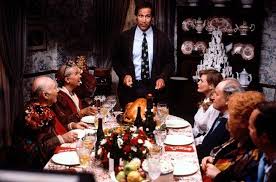
The Enduring Appeal of Family Vacation Dinner Scenes Online
From an SEO perspective, interest in the family vacation movie dinner scene has stayed strong because people love rewatching and analyzing these touchstone moments. They search for compilations, breakdowns, trivia, and writer’s analyses. Critics, fans, and bloggers all see the family vacation movie dinner scene as a miniature study in family dynamics. It’s instantly relatable. It taps into nostalgia. And it gives anyone studying film structure a clear example of how a single setting can reveal the emotional stakes of an entire story.
If you’ve ever tried writing your own version of a family vacation movie dinner scene, you know how many directions it can go. You picture the room, the plates, the shifting moods. You decide whether you want to lean into humor, sentiment, tension, or quiet reflection. That flexibility is part of what makes the family vacation movie dinner scene so enduring—it fits comedy, drama, coming-of-age arcs, or anything in between.
For viewers, these scenes often become favorites because they feel like a condensed snapshot of real life. A strong family vacation movie dinner scene shows us the warmth and mess of being part of a family, especially when everyone’s out of their usual environment. It reminds us that connection often happens in the middle of everyday chaos.
Below are some common questions for anyone looking to dive deeper into how these scenes work and why they’ve become so iconic.
Frequently Asked Questions about family vacation movie dinner scene
1. Why do films often include a family vacation movie dinner scene?
Films often include a family vacation movie dinner scene because it creates a natural pressure cooker for storytelling. A dinner table is one of the few places where every character is forced into the same space, at the same time, with nowhere to escape. That setup makes it easy—and believable to surface emotional arcs, strained relationships, and long-simmering conflicts without feeling forced or overly dramatic.
More importantly, a family vacation movie dinner scene mirrors real life. Families rarely have deep conversations on the beach or during sightseeing, but they do talk or argue over meals. The setting allows humor, tension, and vulnerability to coexist in a way audiences instantly recognize. When done right, the scene becomes a turning point: truths slip out, dynamics shift, and the story gains emotional weight, all while everyone is just trying to finish dinner.
2. What makes a family vacation movie dinner scene memorable?
What makes a family vacation movie dinner scene truly memorable is how real it feels. Honest dialogue is the foundation conversations that sound like things families actually say, not polished lines meant to move the plot along. When characters speak with half-truths, nervous jokes, or sudden blunt honesty, the scene starts to feel lived-in. Viewers recognize those moments because they have sat at similar tables themselves.
Relatable tension is just as important. The best family vacation movie dinner scene balances humor and discomfort, allowing small conflicts, unresolved issues, or quiet resentments to surface naturally. Nothing needs to explode. Sometimes a pause, a look, or a badly timed comment does all the work. Strong timing pulls it together knowing when to let a joke land, when to let silence stretch, and when to cut the scene before it overstays its welcome. When interactions feel grounded and emotionally authentic, the dinner scene stops being just another moment in the movie and becomes the one audiences remember long after the vacation ends.
3. Where can I find examples of popular family vacation movie dinner scenes?
4. How can writers create an effective family vacation movie dinner scene?
To create an effective family vacation movie dinner scene, writers should think beyond the table and focus on what’s happening underneath the conversation. The best scenes are rarely about the food. They are about tension, affection, misunderstandings, and the small emotional truths that surface when everyone is forced to sit still together. Let the dialogue feel natural—people talk over each other, avoid certain topics, joke to deflect, or go quiet when something hits too close to home. Those imperfect rhythms are what make the scene feel real.
What truly elevates a family vacation movie dinner scene is specificity. Every family has its own dynamics: the peacemaker, the instigator, the quiet observer, the one who always says the wrong thing. Lean into those roles and allow conflict or connection to unfold organically. A glance across the table, an awkward pause, or a half-finished sentence can say more than a long speech. When the scene reveals character, deepens relationships, or subtly shifts the story forward, it becomes memorable and audiences will recognize themselves in it, whether they realize it or not.
5. Do all family vacation movies need a dinner scene?
Not at all. A family vacation movie dinner scene is not a requirement but it has become a familiar, powerful storytelling tool for a reason. When used well, it captures everything audiences love about family vacation films: awkward silences, shared laughter, unspoken tension, and those honest moments that only happen when everyone is finally seated at the same table. Dinner scenes slow the story just enough to let characters breathe, clash, and connect, which is why viewers tend to remember them long after the trip ends.
That said, not every family vacation movie needs one to work. Some stories thrive on adventure, mishaps, or emotional revelations that happen on the road instead. The key is intention. If a dinner scene adds emotional weight, humor, or insight into family dynamics, it earns its place. If not, skipping it can keep the story tighter and more authentic. In the end, a great family vacation movie dinner scene isn’t about food it’s about revealing who the family really is when the noise dies down and the conversation begins.
Conclusion
Family vacation movie dinner scenes endure because they capture something universal: the messy, heartfelt reality of family life. Whether it’s a fleeting glance, a small argument, or a moment of shared laughter, these scenes reflect the dynamics we recognize from our own lives. They work because of pacing, subtlety, and authenticity, letting audiences feel both the tension and the warmth of a family in one confined space. Beyond entertainment, they offer a window into relationships, nostalgia, and storytelling, proving that sometimes the most ordinary settings like a dinner table can reveal the deepest truths
If you’re interested in reading more about the family vacation movie dinner scene, these resources may help:
-
https://blogsite.com/analysis/family-vacation-movie-dinner-scene
-
https://filmsite.com/scenes/family-vacation-movie-dinner-scene
Many readers search specifically for the family vacation movie dinner scene because it captures something universal.
If you are analyzing character relationships, revisiting a family vacation movie dinner scene can offer surprising insight.
Recommended posts
Travel Agencies: Your Trusted Partner for Stress-Free and Affordable Trip in 2025
Flight Agency Near Me: How to Find Trusted, Affordable & Reliable Travel Experts